

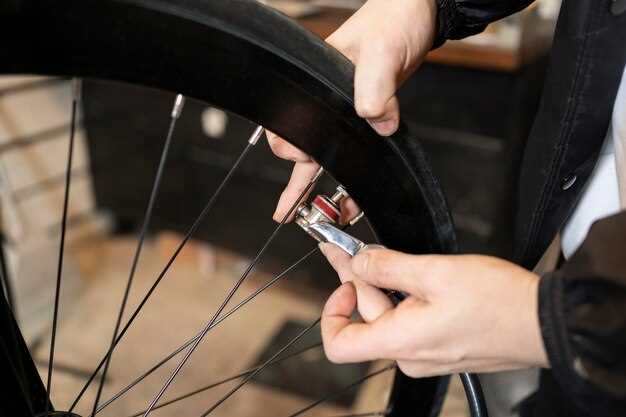
Understanding the importance of tire pressure and wear is crucial for every rider, whether you are commuting daily or embarking on a long journey. Properly inflated tires not only enhance your vehicle’s performance but also significantly impact safety and fuel efficiency. Keeping your tire pressure within the recommended range can prevent premature wear and tear, ensuring that your tires last longer and function optimally.
The relationship between tire pressure and wear is direct and undeniable. Under-inflated tires can lead to excessive friction, resulting in uneven wear patterns and decreased lifespan. Conversely, over-inflated tires may cause a harsh ride and increase the risk of blowouts. Therefore, regular monitoring of tire pressure is essential to maintain balance and prolong tire health.
In this article, we will explore practical tips for managing tire pressure and wear effectively. From understanding the ideal pressure for your specific vehicle to recognizing the signs of tire wear, our guidance will help you make informed decisions that enhance your riding experience while ensuring safety on the road.
How to Check Your Tire Pressure Accurately
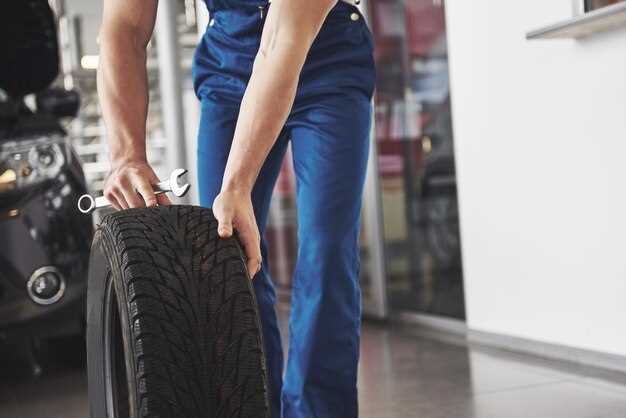
Maintaining the correct pressure in your tires is essential for optimal performance and minimizing wear. Here’s a concise guide on how to check your tire pressure effectively.
Firstly, ensure that your tires are cold, as tire pressure can increase with heat. Ideally, check pressure in the morning or after the vehicle has been parked for several hours. Use a reliable tire pressure gauge, which can be digital or analog, to get an accurate reading.
Begin by removing the valve cap from one tire. Firmly press the gauge onto the valve stem to obtain a reading. Ensure a tight seal to avoid air leakage, which could affect the measurement. Read the pressure displayed on the gauge and record the value.
Compare the reading to the manufacturer’s recommended pressure, usually found on a sticker inside the driver’s door or in the vehicle’s manual. If the pressure is too low, inflate the tire to reach the recommended PSI. If it’s too high, release some air until you achieve the desired level.
Repeat the process for all tires, including the spare, as it’s equally important. After checking, replace the valve caps securely to prevent contamination and air loss.
Regularly checking tire pressure not only enhances safety but also contributes to better fuel efficiency and reduces tire wear. Remember to perform this check monthly or before long trips for optimal tire health.
Identifying Signs of Tire Wear and What They Mean
Regularly assessing your tires is essential for safe riding. Understanding the indicators of tire wear can prevent accidents and improve performance. One common sign of wear is uneven tread. This occurs when certain areas of the tire wear down faster than others, often indicating improper inflation or alignment issues.
Another critical sign is the depth of the tread. Tires are designed with specific tread patterns to provide traction. If the tread wears down to 2/32 of an inch or less, it’s time to replace the tire. Insufficient tread depth compromises grip, particularly on wet surfaces.
Cracks or cuts in the sidewall are also concerning. These marks can result from age, exposure to harsh conditions, or improper tire pressure. If left unchecked, they can lead to blowouts. Any visible bulges or blisters indicate internal damage and necessitate immediate attention.
Lastly, pay attention to any vibrations or noise while riding. Abnormal sounds or sensations might signal issues with tire wear or alignment problems. Regular inspections and proactive measures are crucial for maintaining optimal tire health and ensuring a safe riding experience.
Best Practices for Maintaining Optimal Tire Condition

Maintaining optimal tire condition is crucial for ensuring safety and performance. Here are key practices to follow:
1. Regular Pressure Checks: Monitor tire pressure at least once a month. Inflate tires to the manufacturer’s recommended PSI, which can be found on the driver’s side door jamb or in the owner’s manual. Proper pressure minimizes wear and enhances handling.
2. Visual Inspections: Frequently inspect tires for visible signs of wear or damage, such as cracks, bulges, or foreign objects. Uneven tread wear may indicate alignment issues or improper inflation.
3. Tread Depth Monitoring: Use the penny test to check tread depth. Insert a penny into the tread with Lincoln’s head down. If part of his head is visible, it’s time to replace the tire. Adequate tread depth improves traction and reduces the risk of hydroplaning.
4. Regular Rotations: Rotate tires every 5,000 to 8,000 miles to ensure even wear. Front tires often wear faster than rear tires, so regular rotation helps prolong tire life.
5. Alignment and Balancing: Ensure that your vehicle’s wheels are properly aligned and balanced. Misalignment can lead to uneven wear and reduced lifespan of tires.
6. Smart Driving Habits: Avoid sudden starts, hard stops, and sharp turns. Smooth driving reduces tire stress and wear, ultimately extending their life.
7. Seasonal Changes: Consider switching to winter tires if you live in areas with severe winter conditions. Winter tires provide better grip and reduce wear compared to all-season tires in snow and ice.
8. Proper Storage: If you store tires, keep them in a cool, dry place away from direct sunlight. Stack them neatly or hang them to prevent deformation.
By adhering to these best practices, riders can maintain optimal tire condition, ensuring safety, efficiency, and longevity.