


Traveling around the globe on a bicycle offers a unique blend of adventure and freedom. However, the challenges of staying connected while exploring remote areas can be daunting. Fortunately, advancements in tech have made it easier than ever to maintain communication and access essential information, even from the most isolated locations.
As cyclists embark on their journeys, the integration of technology into their travel gear becomes increasingly vital. From portable chargers to GPS devices and smartphone applications, modern bikers have an array of tools at their disposal to enhance their experience. These tools not only help in navigation but also allow for seamless sharing of experiences with family and friends back home.
Moreover, staying connected can significantly improve safety while traversing unfamiliar terrains. With real-time tracking and access to emergency services, cyclists can enjoy their adventures with peace of mind. Embracing the right tech solutions empowers bikers to experience the world to the fullest, ensuring that they never truly feel alone on their journeys.
Choosing the Right Travel Tech for Communication on Your Journey
When embarking on a global biking adventure, selecting the appropriate travel tech for communication is essential. This ensures that you remain connected with friends, family, and fellow travelers throughout your journey. Here are some key considerations to help you make the right choices.
First, smartphones are indispensable for connectivity. They not only facilitate direct communication via calls and messages but also allow access to a variety of apps for navigation, social media, and travel planning. Ensure your device is unlocked, so you can use local SIM cards for affordable data plans in different countries.
Next, consider a reliable portable charger. On long biking days, the availability of power to recharge your devices can be limited. A high-capacity power bank combined with solar chargers can keep your tech powered, regardless of your location.
Another vital piece of travel tech is a local SIM card or an international roaming plan. Investigate the best options based on your route. Local SIM cards often provide cheaper data rates, allowing you to stay connected without incurring exorbitant fees.
For group travels or when navigating remote areas, a satellite phone can be a lifesaver. Unlike traditional cellular networks, satellite phones provide coverage in the most isolated regions where regular service may be unavailable. Assess your itinerary to determine if this technology is necessary.
Finally, explore using messaging apps that operate over Wi-Fi or mobile data. Applications like WhatsApp, Telegram, and Signal enable quick communication without relying on traditional SMS services. Ensure that your contacts use the same platforms to maximize your connectivity.
By thoughtfully selecting the right travel tech for your biking journey, you can effortlessly communicate and document your experiences, making your adventure as enjoyable and connected as possible.
Maintaining Internet Connectivity in Remote Locations
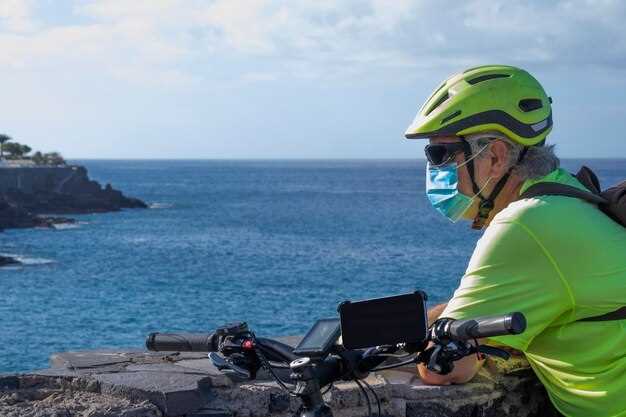
Maintaining reliable internet connectivity while traveling through remote locations is essential for effective communication and staying connected with the world. Here are several strategies to ensure you can stay online during your biking adventure:
- Portable Wi-Fi Hotspots: Invest in a portable Wi-Fi hotspot device that supports multiple networks. These devices enable you to connect to local cellular networks and provide a reliable internet connection on-the-go.
- Local SIM Cards: Purchase local SIM cards when entering new countries. This offers better data rates compared to international roaming and ensures you have access to mobile networks.
- Satellite Internet: For the most remote areas, consider using satellite internet options. Devices like satellite phones or portable satellite hotspots provide coverage even in the most isolated regions.
- Offline Maps and Apps: Download essential maps and apps before heading out. While you may have limited connectivity, offline resources can assist with navigation and local information.
- Wi-Fi Sharing: Look for opportunities to connect to local Wi-Fi networks, such as those available in cafes, libraries, or public spaces. Ask locals if they can share their internet if you’re in a pinch.
- Communication Apps: Utilize lightweight communication apps that function on lower bandwidth, such as WhatsApp or Telegram, which can help in staying connected without consuming too much data.
- Power Management: Ensure your devices are charged and consider carrying portable solar chargers. Maintaining battery life is crucial for ongoing connectivity.
By implementing these strategies, you can ensure you remain connected while enjoying your travels, allowing for effective communication and sharing your journey with friends and family.
Utilizing Social Media and Apps for Real-Time Updates and Safety
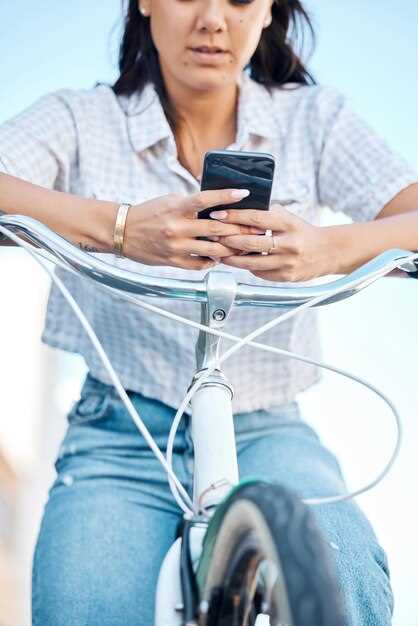
In today’s interconnected world, technology plays a pivotal role in enhancing travel experiences, especially for those biking around the globe. Social media platforms and mobile applications offer essential tools for real-time updates and safety, ensuring that travelers remain connected throughout their journey.
Social media channels like Instagram, Facebook, and Twitter allow cyclists to share their adventures instantly. By posting updates and engaging with followers, bikers can create a supportive community that encourages them during challenging moments. Additionally, using location tags and hashtags can help fellow travelers discover useful information about routes, accommodations, and local attractions.
Moreover, various apps are specifically designed to enhance safety for travelers on the road. Apps like RideWithGPS and Strava enable cyclists to plan and track their routes while sharing them with friends and family for extra security. These platforms provide real-time monitoring, allowing loved ones to know a cyclist’s whereabouts, which can be crucial in case of emergencies.
On the safety front, apps like Google Maps and Waze offer navigation assistance, helping cyclists avoid dangerous areas and traffic congestion. Furthermore, utilizing safety apps like Life360 can provide real-time location sharing with trusted contacts, ensuring help is just a tap away if needed.
Incorporating technology into travel not only enhances communication but also fosters a sense of security for those embarking on global biking adventures. By leveraging social media and apps, cyclists can stay connected, share their experiences, and prioritize safety, making their journey more enjoyable and secure.