

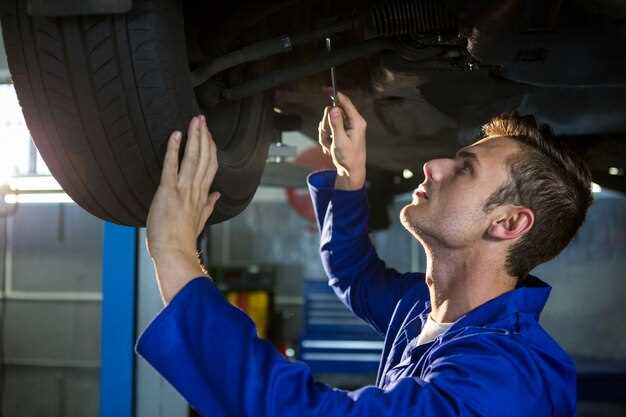
The suspension system of a vehicle plays a crucial role in ensuring a smooth ride and maintaining proper vehicle handling. Over time, components of the suspension can wear out due to regular usage and environmental factors, necessitating timely service to ensure optimal performance and safety. Understanding the recommended service intervals for suspension systems is essential for vehicle owners who wish to prolong the lifespan of their cars and maintain comfort while driving.
Service intervals for suspension components can vary based on several factors, including vehicle type, driving conditions, and the specific parts in question. It is generally advisable to follow the manufacturer’s recommendations found in the owner’s manual–for most vehicles, an inspection should be conducted every 12,000 to 15,000 miles or at least once a year. This ensures that any signs of wear or damage can be addressed promptly, thereby avoiding costly repairs and enhancing overall safety.
Additionally, certain driving conditions, such as frequent travel on rough terrain or heavy towing, may require more frequent suspension service. It is important for vehicle owners to remain vigilant for unusual noises, vibrations, or changes in handling that could indicate the need for immediate attention to their suspension system. By adhering to recommended maintenance schedules and keeping an eye on their vehicles’ performance, drivers can achieve a safer and more comfortable driving experience.
Understanding Manufacturer Recommendations for Suspension Maintenance
Manufacturer recommendations for suspension maintenance are critical for ensuring vehicle performance, safety, and longevity. Each vehicle model comes with specific service intervals that dictate when inspections, maintenance, and repairs should occur. These intervals are typically outlined in the owner’s manual and are based on various factors, including the vehicle’s design, weight, and intended use.
Regular maintenance of the suspension system is essential to prevent premature wear and potential failures. Key components such as shock absorbers, struts, springs, and control arms require attention at defined intervals, which manufacturers establish based on extensive testing and engineering analysis. Ignoring these recommendations can result in diminished ride quality, handling issues, and even unsafe driving conditions.
Service intervals for suspension maintenance vary widely among manufacturers and vehicle types. Generally, it is advisable to follow the provided maintenance schedule, which may include inspections every 30,000 to 50,000 miles, or even more frequently for vehicles subject to harsh driving conditions, such as off-roading or frequent heavy loads.
In addition to scheduled service, it is important to remain vigilant for signs of suspension issues, such as unusual noises, uneven tire wear, or changes in ride height. Early detection and timely service can help extend the life of suspension components and ensure optimal vehicle performance.
Signs Indicating Suspension System Requires Immediate Attention

Recognizing the signs that your vehicle’s suspension system requires immediate service is crucial for safety and performance. Ignoring these signs can lead to more extensive damage and higher repair costs.
One of the first indicators of a failing suspension is a noticeable change in ride comfort. If you experience excessive bouncing or a harsh ride over bumps, it may suggest worn-out shocks or struts. Additionally, a vehicle that sways or leans excessively during turns indicates that the suspension is struggling to maintain stability.
An unusual increase in tire wear is another critical sign. Irregular tire patterns, such as cupping or uneven wear, can be traced back to suspension issues, which can misalign your vehicle and necessitate regular service intervals. These problems might also lead to reduced traction and handling capability.
Listen for abnormal noises while driving. Clunking, banging, or hissing sounds when going over bumps often reflect component failure within the suspension system. Such sounds are not merely cosmetic; they can compromise your vehicle’s safety if not addressed promptly.
Pay attention to steering responsiveness as well. If the steering feels loose or unresponsive, or if the vehicle pulls to one side, this can indicate suspension misalignment or worn components that require immediate service to restore proper alignment and handling.
Finally, if you notice fluid leaks near the shocks or struts, it’s critical to inspect the suspension system. Fluid leakage can lead to a loss of hydraulic function, resulting in a diminished ability to absorb shocks effectively.
In summary, being aware of these signs can help you decide when to service your suspension system. Regular maintenance and timely intervention can prevent small issues from escalating into significant and costly problems.
How Driving Conditions Affect Suspension Service Timing

The performance and durability of a vehicle’s suspension system are significantly influenced by the driving conditions it encounters. Service intervals should be carefully assessed based on these conditions to ensure optimal vehicle safety and comfort.
In areas with rough terrain, such as gravel roads or pothole-laden streets, the suspension system undergoes increased stress. The constant jarring can result in premature wear of components, necessitating more frequent service intervals compared to vehicles primarily driven on smooth, well-maintained surfaces.
Urban driving often involves frequent stops and starts, along with sharp turns. These factors can lead to quicker deterioration of suspension elements, particularly in shocks and struts. Consequently, urban vehicle owners may find that the recommended service intervals must be shortened.
Weather conditions also play a crucial role. In regions experiencing harsh winters, where roads are treated with salt, corrosion can affect suspension parts, leading to a need for earlier service interventions. Conversely, vehicles in dry and relatively stable climates may enjoy longer intervals without significant impact on suspension integrity.
Finally, driving habits influence the timing of suspension service. Aggressive driving, including rapid acceleration and hard braking, amplifies the force on suspension components, resulting in a requirement for more frequent inspections and maintenance. Adapting service intervals to these driving styles can prolong the lifespan of the system.
Understanding the effects of various driving conditions is essential for establishing appropriate suspension service intervals, ensuring reliability and safety on the road.