

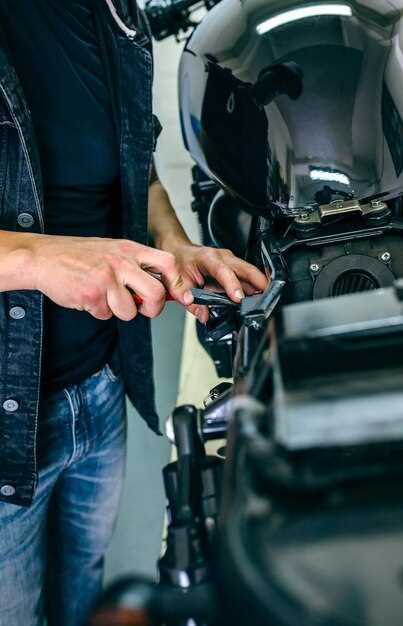
Maintaining an electric motorcycle is a unique experience that diverges significantly from traditional combustion-engine bikes. One of the most notable aspects is the simplicity of electric systems. With fewer moving parts, electric motorcycles generally require less frequent and less complex maintenance tasks. This article aims to elucidate the key differences in maintenance between electric and gasoline-powered motorcycles, helping riders understand how to care for their machines effectively.
Understanding the foundational differences in maintenance practices not only enhances the longevity of electric motorcycles but also contributes to a more efficient riding experience. Unlike their gasoline counterparts, electric motorcycles rely on electric drivetrains, which generally demand less attention to routine adjustments and replacements. Thus, the maintenance routines can be streamlined, allowing riders to focus more on enjoying their journeys rather than worrying about engine troubles.
This exploration of electric motorcycle maintenance will cover crucial areas such as battery care, tire management, and brake system checks. By recognizing these distinctions, riders can better appreciate the simplicity that electric motorcycles offer, all while ensuring peak performance and reliability on the road.
Understanding Battery Care and Charging Practices

The battery is a critical component of an electric motorcycle (EV), and its maintenance significantly impacts the overall performance and lifespan of the vehicle. Proper care and charging practices are essential to ensuring that the battery operates efficiently and reliably.
Regular Charging
It is vital to charge the battery regularly, even if you’re not using the motorcycle. Lithium-ion batteries, commonly used in EVs, perform best when kept within a range of 20% to 80% of their charge. Frequently draining the battery to 0% can reduce its overall lifespan.
Optimal Charging Environment
Charging your electric motorcycle in a controlled environment is also important. Extreme temperatures can adversely affect battery health. Ideally, batteries should be charged at room temperature. Avoid charging in extremely cold or hot conditions, which can lead to reduced capacity or even damage.
Use the Manufacturer’s Charger
Always use the charger recommended by the manufacturer for optimal performance. Third-party chargers may not provide the correct voltage and current, potentially damaging the battery. Additionally, using the right charger helps maintain warranty conditions.
Avoiding Overcharging
Modern electric motorcycles typically include built-in protection features to prevent overcharging. However, it is still advisable to unplug the charger once the battery is fully charged. Overcharging can generate excess heat, which is detrimental to battery health.
Periodic Maintenance Checks
Regular inspection of the battery terminals, connections, and overall system integrity is essential. Corrosion at the terminals can hinder charging efficiency. Keep the terminals clean and ensure that connections are snug. If any issues are detected during these checks, consult a professional for assessment.
Storing Your Motorcycle
If you plan to store your electric motorcycle for an extended period, charge the battery to approximately 50% before storage. This practice helps prevent the battery from entering a deep discharge state and maintains its health. Periodically check the charge level and recharge if necessary during extended storage to keep the battery in optimal condition.
By adhering to these battery care and charging practices, you can extend the lifespan of your electric motorcycle’s battery, ensuring reliable performance and minimal maintenance in the long run.
Comparing Brake and Tire Maintenance Between Electric and Conventional Motorcycles
When it comes to maintenance, electric motorcycles (EVs) and conventional motorcycles have distinct requirements, particularly in the areas of brake and tire upkeep. Understanding these differences can help riders ensure optimal performance and safety.
Brake Maintenance:
- Brake Systems:
- Electric motorcycles typically use regenerative braking systems, which harness kinetic energy to recharge the battery while reducing wear on brake pads.
- Conventional motorcycles rely on mechanical braking systems, which may experience higher wear rates due to frequent use.
- Brake Pad Longevity:
- Due to regenerative braking, EV brake pads often last longer, requiring less frequent replacements compared to those on conventional bikes.
- Routine inspections are essential for both types, though conventional motorcycle brakes may necessitate more regular monitoring due to wear.
- Fluid Changes:
- Conventional motorcycles require regular changes of brake fluid, typically every one to two years, to maintain system performance.
- Electric motorcycles may follow similar schedules but often have systems designed for reduced maintenance, given their unique braking operation.
Tire Maintenance:
- Tire Type:
- Electric motorcycles often utilize specialized tires designed for improved grip and efficiency due to higher torque and weight distribution.
- Conventional motorcycles may have a wider range of tire options based on intended use, such as sport, touring, or off-road.
- Pressure Monitoring:
- Both types of motorcycles benefit from regular tire pressure checks, but EVs may include onboard sensors to monitor tire health in real-time.
- Conventional motorcycles require manual checks, making it vital for riders to develop a routine of inspecting tire pressure before rides.
- Tread Wear:
- Tire tread life may vary based on riding style; aggressive riding on either electric or conventional motorcycles can lead to quicker degradation.
- Regularly checking tread depth is important for both types, but the instant torque of EVs may require more frequent attention to tire condition.
In summary, while both electric and conventional motorcycles share some similarities in brake and tire maintenance, the approach varies due to different operational characteristics. Riders should remain vigilant about regular checks and adhere to the specific maintenance schedules to ensure safety and performance.
Evaluating Software Updates and Electrical System Checks
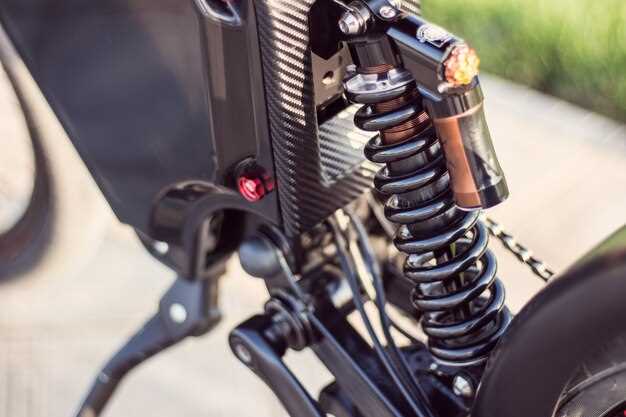
Maintaining an electric motorcycle (ev) involves more than just routine mechanical inspections; software updates and electrical system checks are crucial for optimal performance. Regular evaluation of these components ensures that the motorcycle runs efficiently and safely.
Software Updates are essential for enhancing the performance and security of electric motorcycles. Manufacturers periodically release updates to improve functionality, add new features, and fix bugs. Owners should regularly check for updates, typically through a connected app or system interface. Ignoring software updates can lead to reduced efficiency, diminished battery life, and even safety issues. It’s advisable to schedule updates in conjunction with other maintenance tasks to streamline the process.
Electrical System Checks play a vital role in the maintenance of an electric motorcycle. This includes examining the battery, wiring, and control systems. The battery’s health affects the overall range and performance of the motorcycle; therefore, regular diagnostics are necessary. Checking for loose connections, frayed wires, or corrosion can prevent potential failures. Additionally, monitoring the overall electrical system allows for early detection of issues, which can significantly reduce long-term repair costs.
Both software updates and electrical system checks are integral to the maintenance of electric motorcycles. By prioritizing these areas, owners can ensure that their vehicles remain reliable, safe, and efficient over time.